


The first day in barefoot shoes feels strange. You feel the ground, every root, every joint in the pavement. That's exactly the point. What happens next, however, determines whether the transition succeeds or ends up in the closet after two weeks. Because the feet have to build muscles they haven't used in decades, and that doesn't happen overnight.
What happens in the foot
A cushioned shoe with a heel takes the work away from the foot. The short foot muscles that support the arch become weaker, the calf muscles shorten slightly because the heel is permanently raised. When both are gone, the foot suddenly works on its own: The arch springs, the toes grip, the calf stretches a little more with every step. A slight pulling in the calf and sole is part of the first few weeks. Persistent pain is not.
Eight weeks, step by step
| Timeframe | Duration per day | What to pay attention to |
|---|---|---|
| Weeks 1 to 2 | 1 to 2 hours | Soft ground, short distances, then elevate the feet |
| Weeks 3 to 4 | 2 to 3 hours | First longer walks, alternating with familiar shoes |
| Weeks 5 to 6 | 3 to 5 hours | Everyday life in the office or at home, asphalt in small doses |
| Weeks 7 to 8 | Full day possible | Pay attention to signals, take a day off if pulling |
Models for beginners
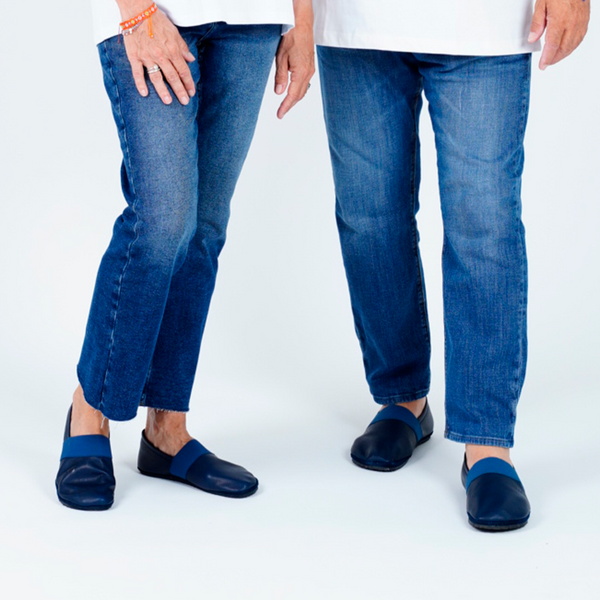
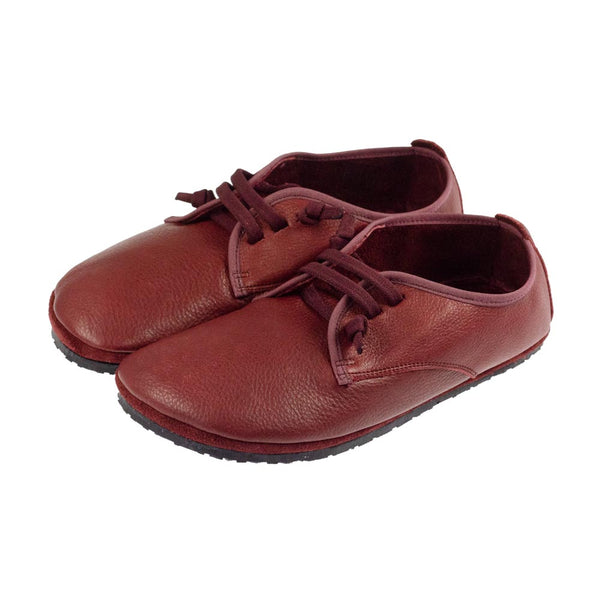
For the first few weeks, models that are easy to put on and take off are suitable, so that switching back and forth is not a hurdle. The MN-Apache in black is the classic for this, it is also available in Navy and Beige. Those who need extra room across the instep should choose the MN-Atomic.
If it should fit more securely
For longer distances or uneven ground, closed models are more comfortable. The MN-Agora Pur in black keeps the foot more stable, the MN-ABYLON in Hippo combines a wide toe box with a stretchy upper. In winter, the fur-combination insoles come into play.
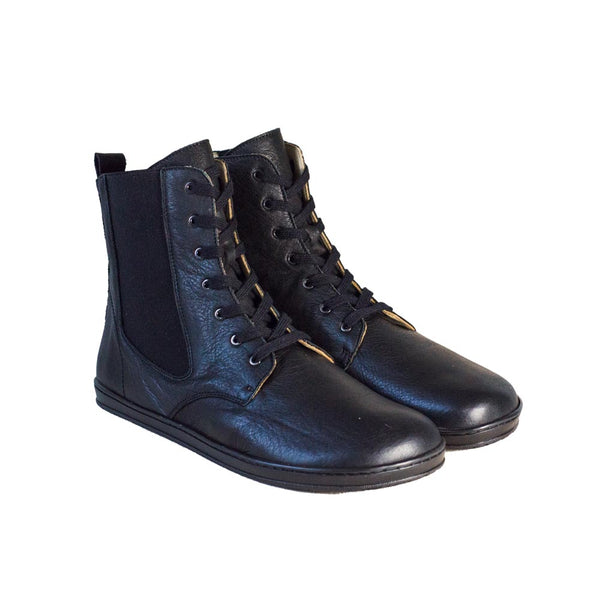 MN-Agora-Barefootshoes Black
199,00€
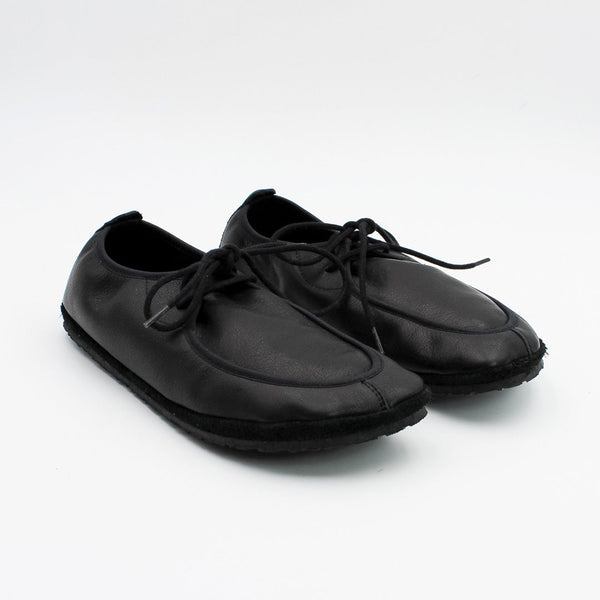 Barefoot shoes MN-Abylon
ab 109,00€
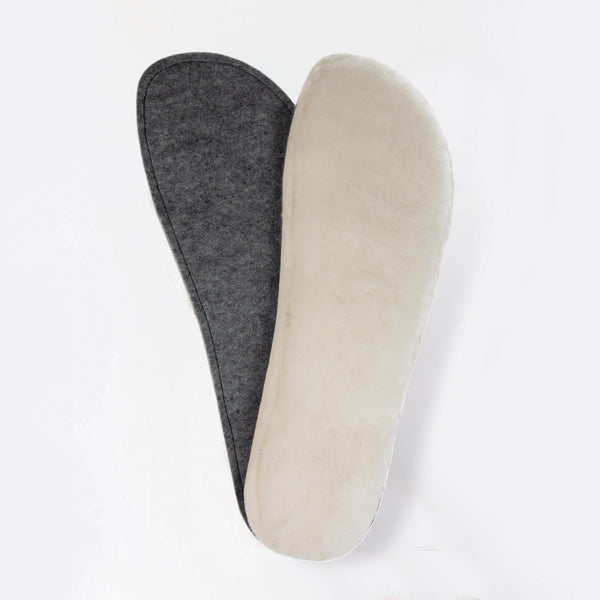 Unisex fur-trimmed combination insoles
ab 27,90€
Five mistakes that slow down the transition
- Too much too soon. The most common reason why people give up again.
- Straight onto asphalt. Hard ground forgives nothing, meadow and forest floor do.
- Starting with running. First walk, then run, and after months, not weeks.
- Ignoring signals. Pulling is normal, a stabbing pain is worth a break.
- Only one pair. Alternating with familiar shoes makes sense during the transition period, it's not a step backward.
How you can tell it's going too fast
The body reports overload quite reliably, you just have to listen. Typical are calf cramps in the evening, a pulling under the heel with the first step in the morning or a pressure sensation under the ball of the foot. All three do not mean that barefoot shoes are wrong. It means that the next increase should wait a week. Those who take a break for two to three days and then re-enter at a lower level usually get through without further complaints.
It looks different with stabbing pain, swelling or numbness. Then the foot should be looked at, especially if there are pre-existing conditions such as diabetes or nerve damage.
How long does such a shoe last?
Barefoot shoes have thin soles, this is intentional, and they wear out more visibly because of this than thick running shoe soles. With daily wear, after one to two years, the sole is usually thin in the place where you roll off. The upper leather lasts significantly longer if it is cared for. Grease it every few weeks, let it dry at room temperature after wet days and never put it on the heater. A second pair to alternate with doubles the lifespan of both shoes.
What additionally helps the feet
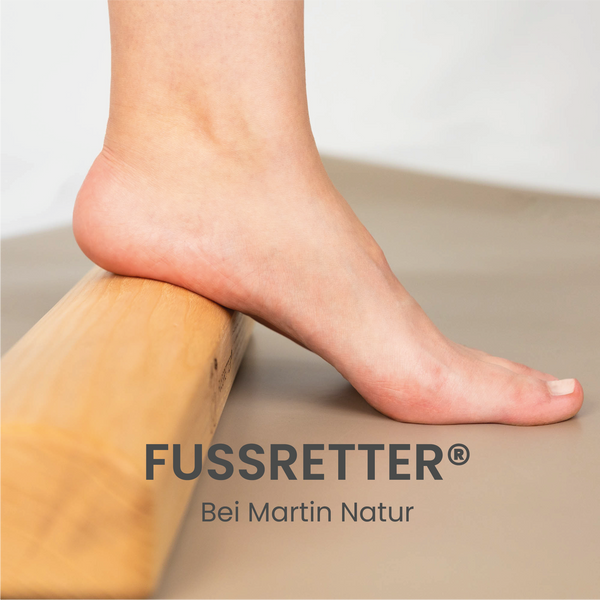
Walking barefoot in between, whenever possible. Consciously spreading the toes, for example with the Shapes training system. Rolling the sole of the foot over a wooden foot roller. All this does not replace a transition, but makes it easier.
Frequently asked questions
From when can I wear barefoot shoes all day? For most after six to eight weeks, for little-trained feet later. There is no fixed time.
What about flat feet or splayed feet? Often the transition works well, but should be done more slowly. Consult a doctor beforehand if medically prescribed insoles are used.
Are barefoot shoes useful for children? Yes, children's feet benefit particularly. For the youngest there are the Pantolinos crawling shoes.
And in winter? With a warming insole, closed models work, a selection is available under Barefoot shoes for winter.
Matching this
Read on: Wide feet and barefoot shoes: do they go together? and Walking flexibly, feeling better: why flexible soles are important for every foot.


