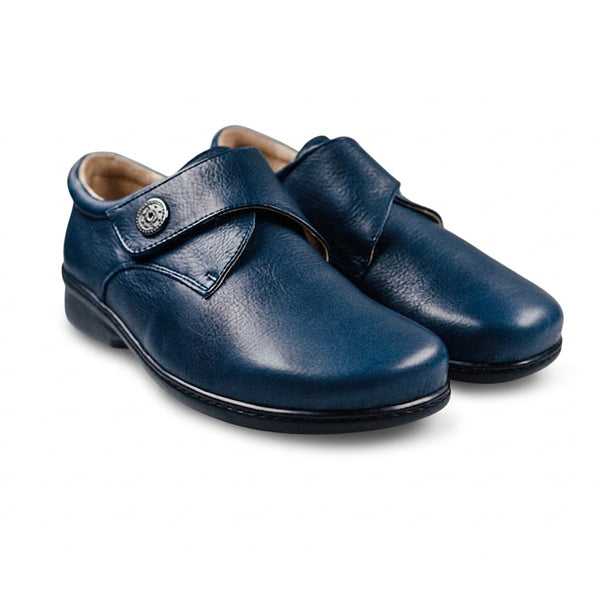
Almost every shoe today says "genuine leather". What is not stated there is the question of what means were used to turn animal hide into durable leather. This is exactly what determines whether a shoe is suitable for sensitive skin and what happens to it at the end of its life. Around 85 percent of leather produced worldwide is tanned with chromium salts. Our shoes belong to the remaining 15 percent.
What happens during tanning
Raw hide would rot. Tanning means stabilizing the protein fibers so that they remain durable and supple. There are two common ways to do this. In chromium tanning, chromium salts bind to the fibers within a few hours, which is fast and inexpensive. In vegetable tanning, tannins from bark, wood, and fruit perform the same function, but this takes weeks and even months in traditional tanning pits.
| Vegetable-tanned | Chromium-tanned | |
|---|---|---|
| Duration | Several weeks | A few hours |
| Tanning agent | Bark, wood, fruit | Chromium salts |
| Skin compatibility | Usually unproblematic even for sensitive skin | Chromium can cause contact allergies |
| Odor | Warm, woody | Often chemical |
| Aging | Darkens over time, develops character | Stays the same for a long time, then suddenly looks worn out |
| Disposal | Biodegradable | Hazardous waste due to chromium residues |
Why this matters for your feet
Vegetable-tanned leather is open-pored. It absorbs moisture, stores it, and releases it. In a shoe, this means: less sweating, less odor, a more even climate. In addition, it is softer from the start and shapes itself to the foot in the first few weeks. Anyone with a wide ball of the foot or a sensitive big toe joint will clearly notice this difference because the leather gives way instead of resisting.
For people with a chromium allergy, this is not a matter of taste. Chromium VI can be dissolved by sweat and cause eczema, especially in areas with prolonged skin contact. Our leather comes from German tanneries and is free of chromium and heavy metals.
How to recognize good natural leather
- It smells warm and woody, not sharp or chemical.
- The surface is not mirror-smooth; small scars are visible.
- A drop of water slowly soaks in instead of beading up.
- The cut edge is dyed through and not light with a colored layer.
- The leather darkens over the years instead of peeling.
Models made from vegetable-tanned leather
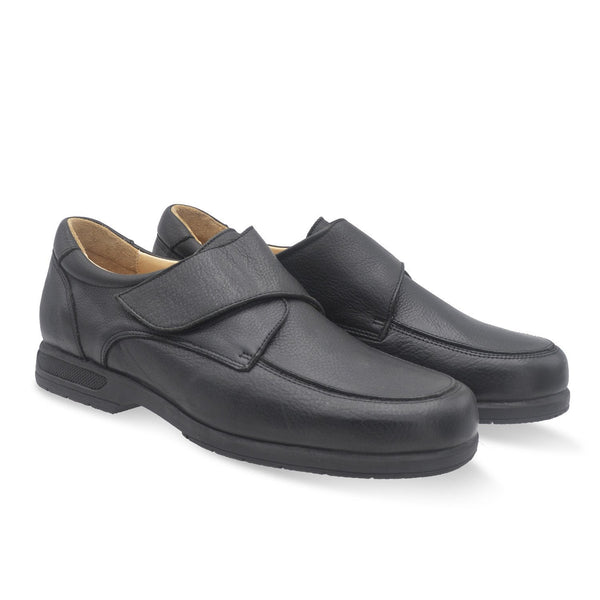
All our shoes are made from this leather. Its character is particularly visible in open-pored models such as the MN-Apache in black or the MN-Apache in beige, where the leather darkens over time. In closed-toe styles, the advantage in the foot climate is evident, such as with the MN-Comodin in black, the MN-Laos in black, or the MN-Lucia in red. For men, the MN-Edu in black is available.
Care that suits the material
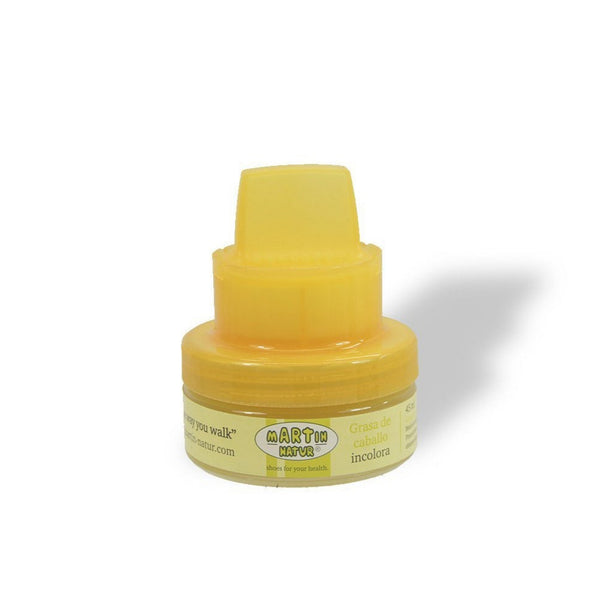
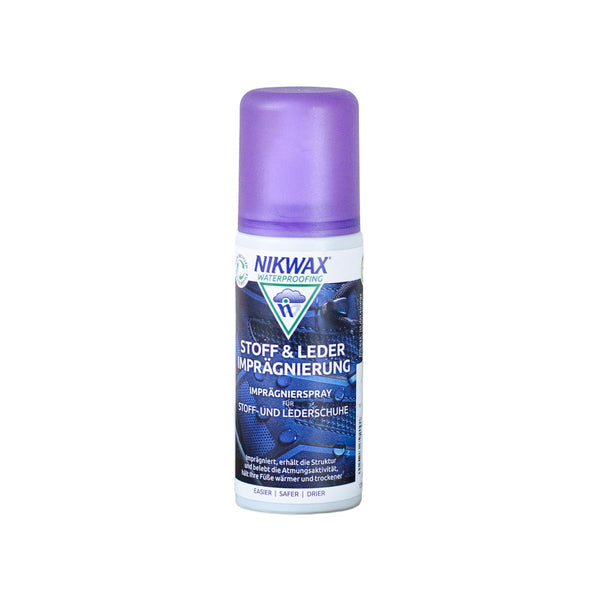
Open-pored leather needs fat, not sealing. Silicone-based sprays seal the pores and take away exactly the property for which you bought the leather. With MN-Natur Fett, it stays supple, and the MN Impregnation for Leather and Fabric helps protect against moisture. Once every four to six weeks is usually enough.
Frequently Asked Questions
Is vegetable-tanned leather vegan? No. It remains an animal product; only the tanning process is different.
Does it get wet faster? It absorbs more moisture, but also dries out again. With impregnation and a rest day after wet days, it holds up without any problems.
Why does every pair look slightly different? Because the hide remains visible. Scars and color nuances are a sign of authenticity, not a defect.
What does IVN certified mean? The International Association of Natural Textile Industries tests for harmful substances and manufacturing processes. Our Pantolinos baby shoes bear this mark.
Read more
Read on: The right leather care for natural leather shoes and Shoes for hallux valgus: what really matters.